

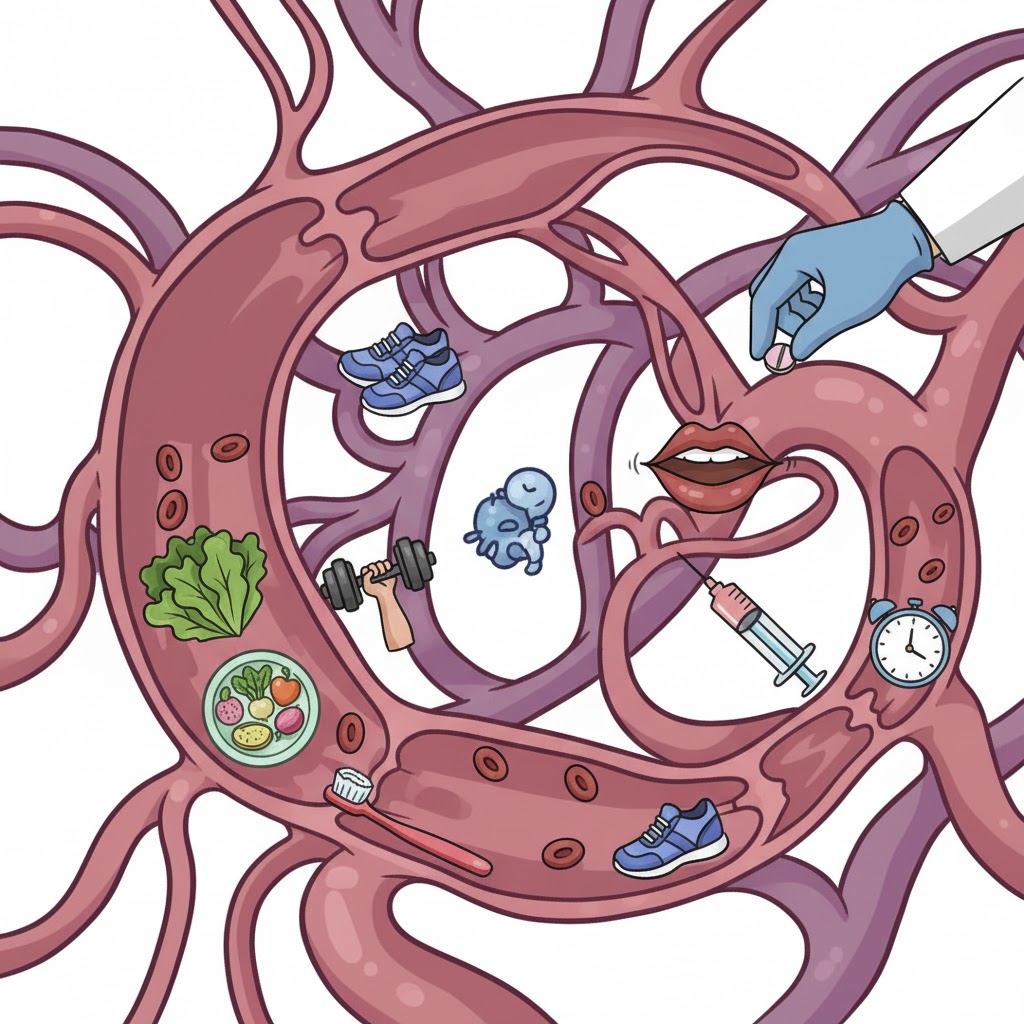
Metabolic disorders can affect the processing of proteins, fats, and other nutrients, leading to various health complications.
Amino Acid (Protein) Metabolism Disorders
When the body is unable to properly metabolize certain amino acids, these substances accumulate in the blood and tissues, becoming toxic and potentially damaging organs.
- Example:Phenylketonuria (PKU)
- The body cannot metabolize phenylalanine, causing its blood levels to rise.
- Without early diagnosis and dietary management, PKU can lead to intellectual disability, developmental delays, and behavioral problems.
Fat Metabolism Disorders
Disorders of fat metabolism occur when the body cannot effectively convert fat into energy. This can result in:
- Hypoglycemia (low blood sugar), especially during fasting
- Muscle weakness and fatigue
- Enlarged liver or other organ complications
Conditions such as fatty acid oxidation defects and lysosomal lipid storage diseases fall into this category. Management often includes dietary modifications, frequent meals, and medical monitoring to prevent serious complications.
In summary, amino acid metabolism disorders primarily involve toxic accumulation of proteins, while fat metabolism disorders lead to energy deficits, and both require early recognition and appropriate treatment to reduce long-term health risks.


