

Managing dyslipidemia (hyperlipidemia) focuses on both controlling modifiable risk factors and treating associated health conditions to prevent serious cardiovascular complications such as heart attack and stroke.
Control Risk Factors
Lifestyle modification is the cornerstone of dyslipidemia management.
- Quit smoking: Smoking lowers HDL-C (the “good” cholesterol) and damages blood vessels, accelerating plaque buildup. Quitting smoking can rapidly improve lipid levels and reduce cardiovascular risk.
- Eat less saturated fat and cholesterol: Limit foods high in saturated and trans fats, such as fried foods, fatty meats, and processed snacks. Instead, choose foods rich in unsaturated fats like olive oil, avocados, and fish.
- Increase fiber intake: Dietary fiber, especially soluble fiber from fruits, vegetables, whole grains, and legumes, helps lower LDL-C by reducing cholesterol absorption in the intestine.
- Lose excess weight: Even modest weight loss (5–10% of body weight) can significantly lower triglycerides and raise HDL-C levels.
- Exercise regularly: Engage in at least 150 minutes of moderate aerobic exercise per week (e.g., brisk walking, cycling, swimming). Regular physical activity helps improve overall lipid balance and cardiovascular health.
Treat Comorbidities
Many people with dyslipidemia also have other conditions like hypertension, diabetes, or obesity. Managing these together is essential for preventing complications.
- Control blood pressure and blood sugar: Keeping these within target ranges helps protect blood vessels and prevent atherosclerosis.
- Manage lipids with medication: If lifestyle changes are insufficient, doctors may prescribe statins or other lipid-lowering drugs to reduce LDL-C and overall cardiovascular risk.
Advanced Treatment
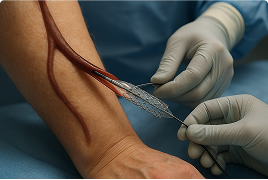
In severe cases, when arteries are significantly narrowed or blocked, vascular interventions such as stent placement or bypass surgery may be required. These procedures restore blood flow and prevent life-threatening events but must be done under a doctor’s guidance and alongside long-term lifestyle management.
In summary, dyslipidemia is a manageable condition through a combination of healthy habits, medical treatment, and regular monitoring, all of which work together to protect heart and vascular health over the long term.


