

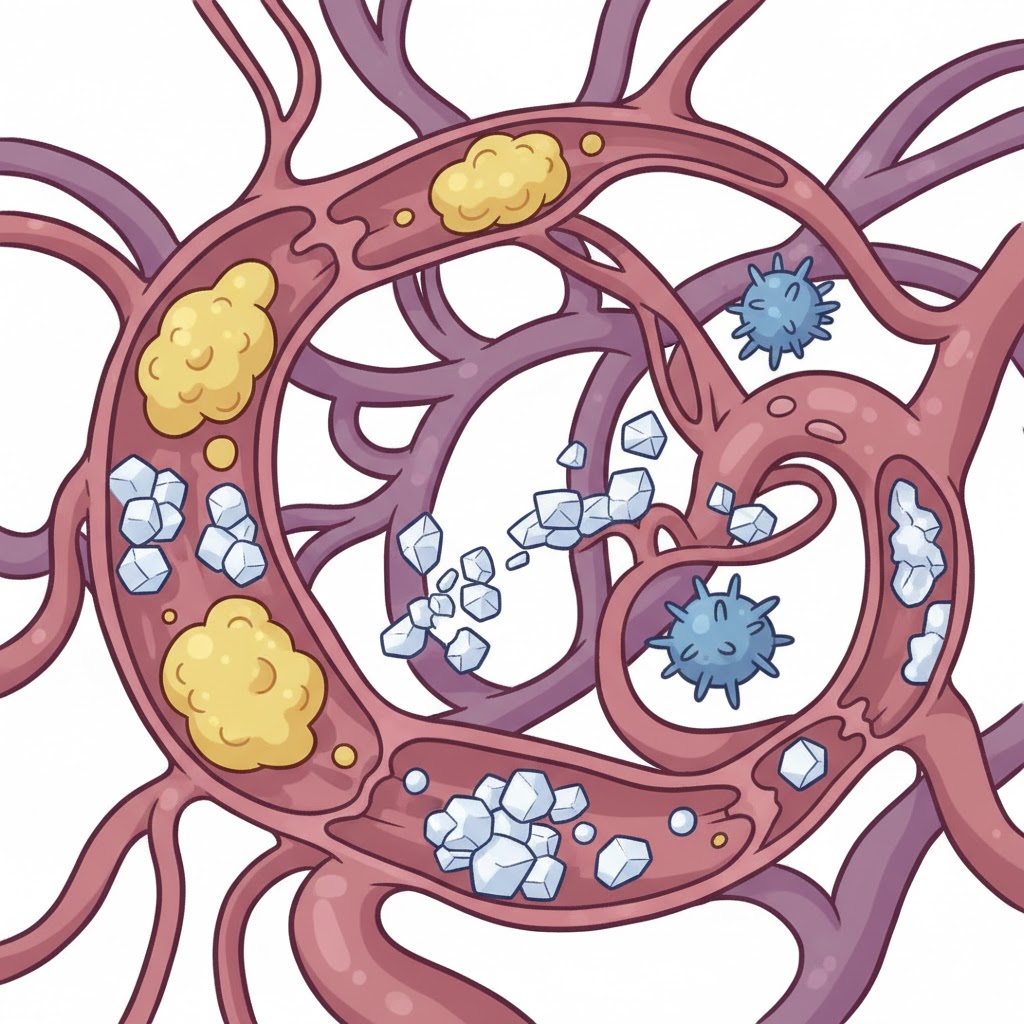
Several factors can contribute to hyperlipidemia (abnormal levels of lipids in the blood), most of which are related to lifestyle choices, although genetic factors can also play a significant role. Understanding these causes is essential for both prevention and management of the condition.
Diet is one of the primary contributors. Consuming excessive amounts of saturated fats, trans fats, and cholesterol—commonly found in fried foods, processed snacks, fatty meats, and full-fat dairy products—can raise total cholesterol and LDL-C (the “bad” cholesterol) levels in the blood. Over time, this leads to plaque buildup in the arteries, increasing the risk of heart disease and stroke. A heart-healthy diet rich in fruits, vegetables, whole grains, lean proteins, and unsaturated fats can help maintain balanced lipid levels.
Overweight and obesity also play a major role in lipid imbalance. Excess body fat, especially around the abdomen, tends to increase triglyceride levels while lowering HDL-C (the “good” cholesterol). This imbalance not only contributes to atherosclerosis but also raises the risk of insulin resistance and type 2 diabetes. Achieving and maintaining a healthy weight through a balanced diet and regular exercise can significantly improve lipid profiles.
A lack of physical activity is another key factor. Regular exercise helps raise HDL-C and lower triglycerides, while inactivity has the opposite effect. Engaging in moderate-intensity activities such as brisk walking, swimming, or cycling for at least 150 minutes per week can have a profound impact on cardiovascular health.
Smoking is particularly harmful because it lowers HDL-C and damages blood vessel walls, making them more prone to plaque accumulation. Quitting smoking can quickly improve HDL-C levels and reduce the overall risk of cardiovascular diseases.
Finally, genetics can predispose some individuals to hyperlipidemia, regardless of their lifestyle habits. People with a family history of high cholesterol or early heart disease may inherit genetic mutations that affect how their bodies process fats. For these individuals, lifestyle changes alone may not be sufficient, and medical treatment under a doctor’s supervision is often necessary.
In summary, while genetics cannot be changed, adopting a **healthy lifestyle—balanced diet, regular exercise, weight control, and avoiding smoking—**can greatly help manage or prevent lipid disorders and protect long-term heart health.


